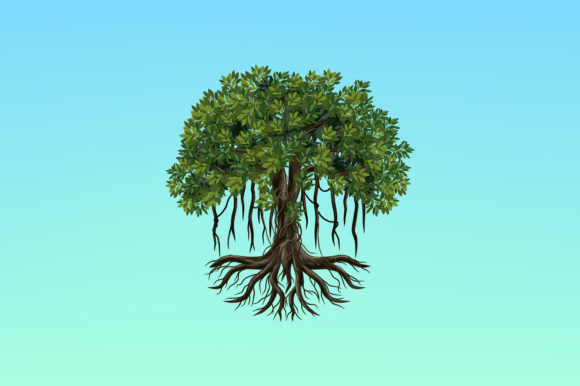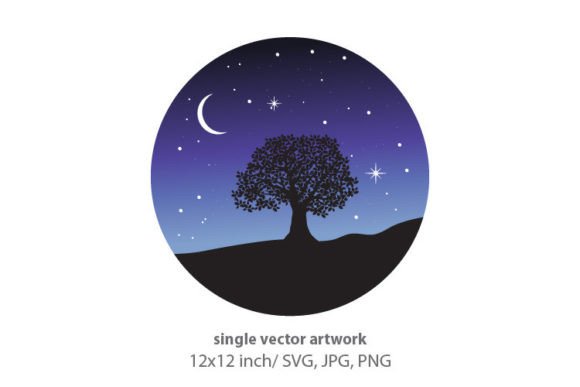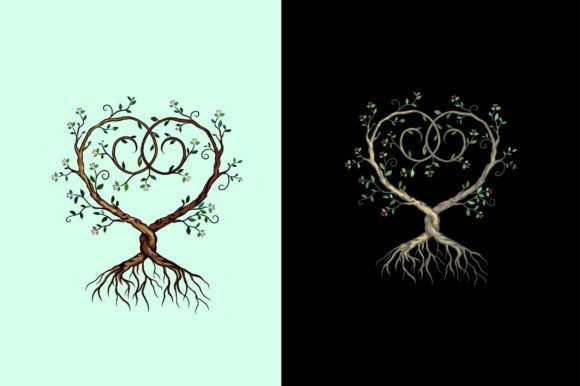
Almond Tree Vector Illustrations
As an embroidery designer and product reviewer, I always start by evaluating a new design based on its visual appeal, usability, and how it translates to real-world projects. Almond Tree Vector Illustrations immediately caught my attention with their elegant, nature-inspired aesthetic. These designs feel like they could fit seamlessly into a range of handmade products, from custom apparel to personalized gifts. But what does that mean in practice? Let’s walk through how these illustrations perform in actual embroidery work.
First Impressions: A Design That Speaks to Nature and Elegance
The first thing I noticed about Almond Tree Vector Illustrations is the soft, organic shape of the tree itself. The lines are clean, the details are balanced, and there's a subtle symmetry that makes it versatile for different applications. The overall mood is calm and inviting—perfect for anything from a baby onesie to a holiday gift. The layout feels natural, with enough space around the design to allow for easy placement on fabric without feeling cramped or cluttered.
These illustrations also have a level of detail that suggests they were created with both digital and physical use in mind. Whether you're using them as a standalone embroidery file or adding them as an accent to another design, they bring a sense of refinement and sophistication. This makes them ideal for small business owners looking to elevate their product offerings, especially if they’re targeting a niche market like handmade home decor or personalized gifts.
Real-World Use: Where Almond Tree Vector Illustrations Shine
One of the most practical scenarios where Almond Tree Vector Illustrations would excel is in custom apparel. Imagine a tote bag design featuring a single almond tree, stitched in soft pastel thread colors. It would look beautiful on a lightweight cotton tote, making it a great option for a craft fair booth or an Etsy shop. The same design could be adapted for a sweatshirt, a baby onesie, or even a patch for a jacket or backpack.
These illustrations also work well for holiday or wedding-themed items. An embroidered pillow cover with an almond tree could serve as a meaningful gift, while a tea towel with the same design might become a popular item in a boutique kitchenware collection. The versatility of the design means it can be used across multiple product types, which is a big plus for digital product sellers and small shop owners.
Where to Be Cautious: Practical Considerations for Embroidery
While Almond Tree Vector Illustrations are visually appealing, there are a few areas where care is needed. For example, if you're working with small hoop sizes, the design might require some scaling or adjustment to ensure it fits properly. Similarly, on textured fabrics or thin materials, the stitching might not show up as clearly as it would on a smooth, medium-weight cotton.
For stretchy or dark fabrics, it’s important to test the design first. Dark backgrounds can make certain stitch types, like satin or fill stitches, less visible unless the thread color is chosen carefully. On curved surfaces like caps or hats, the design might need to be adjusted to maintain its integrity during the embroidery process.
Another consideration is the stitch density. If the design is too dense, it may cause puckering or distortion, especially on delicate fabrics. Always test the design on scrap fabric before committing to a final project. Also, check whether the design works well in black and white mockups, as this can affect how it looks when printed or stitched onto different backgrounds.
Impact on Visual Appeal and Customer Perception
When it comes to visual appeal, Almond Tree Vector Illustrations add a touch of class and nature-inspired charm. They can enhance the value of a handmade product, making it more attractive to customers who appreciate unique, thoughtful designs. For an Etsy seller or a craft business owner, this kind of design can help differentiate their offerings from mass-produced alternatives.
From a customer perspective, these illustrations can create a sense of trust and professionalism. A well-executed embroidery project using Almond Tree Vector Illustrations can feel more polished and intentional, which is essential for building brand consistency and encouraging repeat purchases. Whether it's a personalized gift or a commercial embroidery project, the quality of the design plays a key role in how it’s received.
Embroidery Designer Notes: Tips for Success
Before using Almond Tree Vector Illustrations in any project, here are a few practical tips to keep in mind:
- Test on scrap fabric: Always try the design on a similar material to see how it looks and behaves during the embroidery process.
- Check thread color contrast: Make sure the thread colors you choose will stand out against your fabric, especially on darker or lighter backgrounds.
- Review stitch density: Ensure the design isn’t too dense, which can cause issues with fabric stability and appearance.
- Confirm hoop size: Make sure the design fits within your machine’s hoop size, or adjust it if necessary.
- Inspect small details: Pay attention to intricate parts of the design, as they may need special handling or adjustments.
- Use proper stabilizer: Stabilizers can prevent puckering and help maintain the integrity of the design, especially on stretchy or delicate fabrics.
- Check licensing: Confirm whether the design is suitable for both personal and commercial use, and whether you need permission to sell finished items or digital products.
Final Thoughts: A Versatile Addition to Your Design Toolkit
Almond Tree Vector Illustrations offer a blend of beauty and practicality that can benefit a wide range of embroidery projects. Whether you're creating custom apparel, personalized gifts, or commercial embroidery assets, these designs provide a solid foundation for creative expression. With careful consideration and testing, they can become a valuable part of your design library, helping you deliver high-quality, professional results to your clients and customers.