Pirate Clip Art: Graphics for Creative Freebies
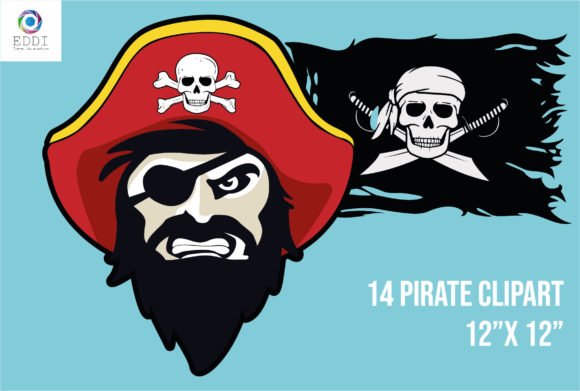
As a graphic designer with years of experience working on branding, packaging, and digital design assets, I always look for high-quality elements that can elevate a project without compromising the overall visual integrity. Pirate Clip Art is one such design asset that offers a fun and whimsical aesthetic perfect for specific creative projects. This listing is for a set of 14 Pirate Clipart design elements, ideal for scrapbooking, party invitations, nursery prints, decorations, and more.
First Impressions: A Nautical Nostalgia
The first thing that stands out about Pirate Clip Art is its nostalgic charm. The illustrations are stylized but not overly complex, making them versatile for a variety of applications. Each element has a distinct character—whether it’s a pirate ship, a skull and crossbones, or a treasure chest—creating a cohesive theme that feels both playful and professional. This style works well for handmade businesses, seasonal campaigns, or boutique product lines looking to add a touch of adventure to their visual identity.
The color palette is limited but effective, with bold reds, blacks, and golds that pop against white or light backgrounds. These colors make the clipart stand out in designs where a strong visual presence is needed, such as in social media graphics, packaging design, or promotional materials.
Real-World Applications: Where Pirate Clip Art Shines
In real design situations, Pirate Clip Art can be a valuable addition to a design bundle. For instance, when working on a t-shirt design for a small business, these elements can be used as decorative accents or central motifs. They also work well in sticker design, Canva templates, and Cricut projects, offering a quick way to add a thematic flair without requiring custom illustration work.
For print-on-demand sellers, Pirate Clip Art can serve as a sublimation design or a printable design that adds personality to mugs, tote bags, and other merchandise. In editorial design, these elements can be used as decorative accents in blog visuals or magazine layouts, especially for content related to travel, adventure, or themed events.
When designing for a local event or a seasonal campaign, Pirate Clip Art can help create a cohesive brand identity. Whether it's for a pirate-themed birthday party invitation or a summer festival poster, the clipart provides a consistent visual language that reinforces the theme across different mediums.
Best Use Cases: Themed Projects and Decorative Elements
Pirate Clip Art excels in large layout areas, hero graphics, and product mockups where the visual impact is important. It’s ideal for creating themed collections, campaign visuals, or packaging details that require a bit of whimsy. The clipart also works well as a supporting brand element, adding depth to a design without overwhelming the main message.
These elements are particularly useful in printable designs, such as wall art or downloadable templates, where the focus is on aesthetics rather than functionality. They can also enhance social media posts, Pinterest pins, and Instagram content by providing a visually engaging backdrop or accent.
Caution Areas: Minimalist and Corporate Designs
While Pirate Clip Art is great for many creative projects, it may not be suitable for minimalist branding or professional corporate materials. Its bold, stylized nature can clash with clean, modern design principles, especially in projects that require a very clear visual hierarchy. In low-contrast designs or crowded layouts, the clipart might become distracting rather than enhancing the overall composition.
For commercial design or marketing visuals that need a more subdued approach, this asset could feel out of place. Designers should consider the target audience and the tone of the project before incorporating these elements into a brand’s visual system.
Design Considerations: Practical Notes for Professional Use
Before using Pirate Clip Art for a client project, it’s essential to test it in various contexts. Preview the clipart at small and large sizes to ensure it remains legible and visually appealing. Check how it looks on both light and dark backgrounds, and assess its contrast to avoid readability issues.
If the asset includes PNG or SVG files, inspect the transparency and editability. For digital sellers or print-on-demand businesses, confirming the commercial license is crucial to avoid legal complications. Comparing the clipart with different font styles—such as serif, sans serif, script, or display fonts—can help determine how well it integrates with text-based elements.
Finally, place the clipart on real mockups to see how it performs in actual design scenarios. Testing print quality is also important if the asset will be used for physical products like t-shirts or stickers.
Conclusion: A Fun Addition for the Right Project
Pirate Clip Art is a unique graphic design asset that brings a sense of adventure and playfulness to any project. While it may not fit every design direction, it’s an excellent choice for handmade businesses, small business branding, or creative marketplace ventures looking to add a distinctive visual element. With proper consideration and testing, this clipart can enhance a design project and provide a fresh, engaging look that resonates with the target audience.